Thursday, January 28, 2021

How Does a Home Pregnancy Test Work?

Taking a pregnancy test first thing in the morning gives you a better chance of getting an accurate result. Assuming you have not been waking up to drink a lot of water through the night, your urine will be more concentrated right when you wake up. HCG levels should almost double every 48 hours at the beginning of pregnancy. If you are pregnant and you wait a few days to take the test, it is more likely to be positive. Small amounts of hCG can sometimes be detected in the urine about 10 days after conception or becoming pregnant. Today, you can find out that you're pregnant much earlier, faster, and with better accuracy using home pregnancy tests.

But as soon as you get familiar with the symptoms, you'll be able to handle anything. The structure of a woman's reproductive system is unique to her. Still, you may figure out where your cervix is located by seeing how deep into your pelvis you can enter your finger before it touches the cervix. If you are acquainted with the location of your cervix, it will be much simpler to spot any changes. Be careful while handling chlorine and wear gloves for pregnancy home.

What to do if you get a positive home pregnancy test

You can avoid the hassle of going to get pregnancy test strips from the market. This is especially useful for those who are confronted with an unplanned pregnancy. There are home pregnancy test strips available in the market that you can use to confirm your pregnancy. But maybe you don’t have access to them and want to know if there are any home pregnancy tests you can use? After all, most of the people getting these inconclusive prenatal test results are young, apparently healthy, and pregnant, notes Amy Turriff, a genetic counselor at the NIH.

This test is considered to be one of the easiest and accurate home remedies for a pregnancy test. All you need for this test is a container, canned tuna, white vinegar and a sample of your urine collected first thing in the morning. This home pregnancy test has been proved to be super accurate. So, if you have a dandelion plant in your backyard, you can take advantage of this test. All you need are some dandelion leaves, a plastic sheet and your urine sample collected early in the morning.

Negative Then Positive Pregnancy Test

She was able to start chemotherapy before her baby was born, who then entered the world healthy. This may be the case if you experience a chemical pregnancy or lose the pregnancy shortly after the fertilized egg attaches to your uterine wall. An evaporation line may appear if you wait too long to check your results — meaning your pee is dry. Most tests ask you to read your results before 10 minutes. This ensures the pee doesn’t dry up and you don’t get an evaporation line. Most pregnancy tests don’t ask you to avoid activities or change your lifestyle.
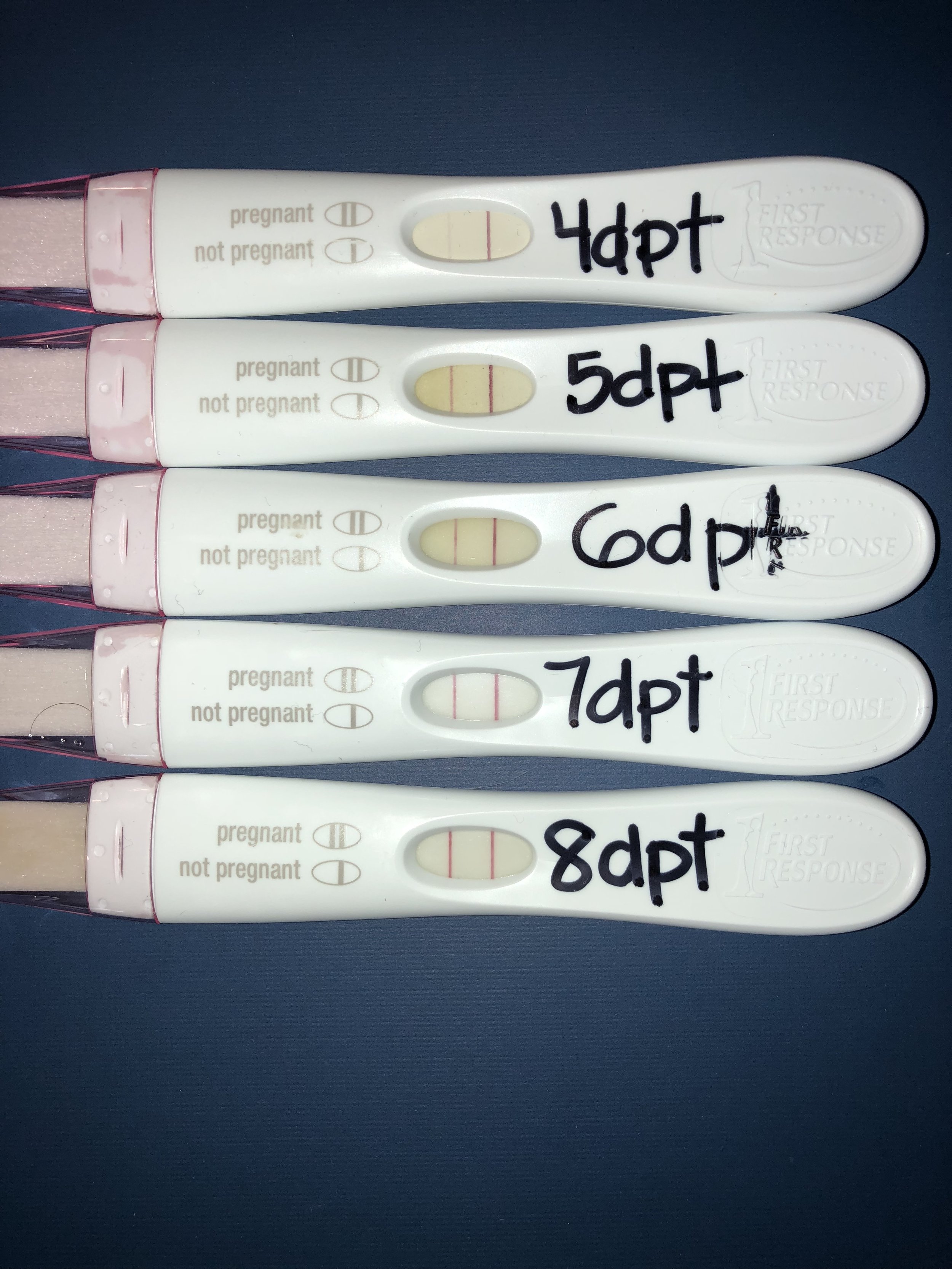
how test for pregnancy at home

But even then, the time frame for a fertilized egg to implant can vary. And hCG isn’t produced until after implantation has occurred. By the way, I did end up finding out I was pregnant in November 2001. If I had known about these do-it-yourself home pregnancy tests in 2001, you bet I would have tried them ALL out! Nothing fascinates me more than the reaction of simple household ingredients. If there is no color change, you’re probably not pregnant.

Before performing a pregnancy test, you should consider the following:

They’re a quick, fun way to test for a pregnancy without having to run to the store. Testing too soon when there has not been enough time for a fertilized egg to implant and start hCG production. Having too dilute urine after drinking a lot of water or testing later in the day. I heard of some at home urine tests for gender but I’m not sure they are accurate. For this simple home pregnancy test, you’ll need white toothpaste. We had a hard time finding anyone who felt they had a positive salt test and turned out to be pregnant.

Before you mix the urine and bleach together, think about proportions. Fill up to one half of the plastic cup with bleach, and add just a few drops of urine. For the most accurate results, take the test right after you get up in the morning. That's when your urine is the most concentrated, making HCG easier to find. The ingredients for this test to check pregnancy at home without kit are not that common.

This is helpful for when your provider needs to know the exact amount of HCG in your blood, not just if there’s HCG in your blood. If you get a negative result, try retesting within about a week to double-check. Some home pregnancy tests suggest doing this no matter what your first results are. As a bonus, find the answer to your burning question how to test pregnancy at home using homely products. Pregnancy tests detect a hormone called human chorionic gonadotropin , which is produced in early pregnancy.

The best way to tell if a test is sensitive enough to pick up the smaller amounts is to read the fine print. Some urine pregnancy tests can detect lower levels of hCG. If you're wanting to test early, before you miss a period, check the package insert to learn more about how much hCG needs to be present in your urine to detect a pregnancy. The content of this article is not intended to be a substitute for professional medical advice, examination, diagnosis, or treatment.

Could medicine change the test results?

Since the amount of hCG increases rapidly when you are pregnant, you may need to retest in a few days. With pregnancy testing, timing is everything because the amount of hCG in your urine increases as the pregnancy progresses. As recently as the 1970s, you had to miss your period before you took a pregnancy test, and the results could take up to two hours. These kits are available at most pharmacies and drug stores.

While scrolling down, I found more in-depth information about my fertility. For example, I learned that nothing out of the ordinary seems likely to affect my ovulation, and I have an average ovarian reserve for my age. But I was too antsy to wait, and I ended up reading them over right away. I could feel my heart pounding and my hands sweating as I logged into my Modern Fertility dashboard.

You should always contact your doctor or other qualified healthcare professional before starting, changing, or stopping any kind of health treatment. With some tests, you need to urinate on the stick for a very specific time—for example, exactly 5 seconds, no more no less. Although most home urine tests are pretty much the same, it is important to follow the manufacturer’s instructions. Home pregnancy tests work by detecting the presence of the hormone hCG in a woman's urine. Known as the pregnancy hormone, hCG is only found in pregnant women.

how test for pregnancy at home

Please be careful while mixing bleach with urine as urine contains ammonia. When mixed, especially in larger quantities, ammonia and bleach form toxic fumes . So, if you have nothing else in your house, you can use your toothpaste for your pregnancy test.

There are some other less reliable tests that you can do to check for pregnancy at home without kit. The reason we don’t list them here is that they are in fact unreliable. Chances are if you are looking for ways to test pregnancy at home without kit and none of these home pregnancy tests work for you, you are not pregnant. While pregnancy test kits are quite common these days, you must remember that pregnancy tests at home without kit have been a norm since ancient times. They have been around well before the advent of the modern home pregnancy test kits available in the market. This method was quite popular in the ancient period and is very easy.

how test for pregnancy at home

Wednesday, September 2, 2020

Review Of Is It Good To Clean Your Teeth At The Dentist 2023

Teeth Whitening in Hackettstown NJ Martin Skrapits DMD LLC
Teeth Whitening in Hackettstown NJ Martin Skrapits DMD LLC from dentisthackettstown.com

Are you wondering whether it's good to clean your teeth at the dentist? Well, you're not alone. Many people have mixed feelings about visiting the dentist and getting their teeth cleaned. Some may find it uncomfortable or even painful, while others may question the necessity of professional dental cleanings. In this article, we will explore the benefits of getting your teeth cleaned at the dentist and why it is an important part of maintaining your oral health.

When it comes to oral health, there are a few pain points that people commonly experience. These include toothaches, sensitive teeth, bad breath, and gum disease. While regular brushing and flossing can help prevent these issues, professional dental cleanings are essential for a thorough and deep cleaning of your teeth and gums. Dentists use specialized tools and techniques to remove plaque, tartar, and stains that may be difficult to remove at home.

So, is it good to clean your teeth at the dentist? The answer is a resounding yes! Regular dental cleanings can help prevent cavities, gum disease, and other oral health problems. They also give your dentist the opportunity to detect any potential issues early on and provide appropriate treatment. Additionally, dental cleanings leave your teeth feeling clean, fresh, and smooth, giving you a brighter smile.

Personal Experience with Dental Cleanings

As someone who used to dread going to the dentist, I can now confidently say that getting my teeth cleaned at the dentist is a positive experience. I used to have sensitive teeth and would often experience discomfort during cleanings. However, my dentist took the time to address my concerns and now uses gentle techniques that minimize any discomfort. The result is a thorough cleaning that leaves my teeth feeling fresh and my gums healthy.

During a dental cleaning, the dental hygienist starts by examining my teeth and gums for any signs of issues. They then use a combination of manual scraping and ultrasonic scaling to remove plaque and tartar buildup. This process is followed by polishing to remove surface stains and a final flossing to ensure all areas are clean. Throughout the cleaning, the dental hygienist educates me on proper oral hygiene practices and provides tips for maintaining a healthy smile.

What to Expect During a Dental Cleaning

When you go for a dental cleaning, you can expect a thorough examination of your teeth and gums. The dental hygienist will use specialized tools to remove plaque and tartar buildup, paying close attention to hard-to-reach areas. They may also take dental X-rays to check for any hidden issues. After the cleaning, your teeth will be polished to remove surface stains, and a fluoride treatment may be applied to strengthen your enamel.

It's important to note that dental cleanings are generally painless, although you may experience mild discomfort or sensitivity during the process. If you have any concerns or dental anxiety, don't hesitate to communicate with your dentist or dental hygienist. They are trained to ensure your comfort and can adjust their techniques accordingly.

The History and Myth of Dental Cleanings

The practice of dental cleanings dates back thousands of years. Ancient civilizations, such as the Egyptians and Greeks, recognized the importance of oral hygiene and used various tools to clean their teeth. However, it wasn't until the 19th century that modern dental cleanings as we know them today were introduced.

There are also several myths surrounding dental cleanings. One common myth is that dental cleanings weaken your teeth. This is not true. In fact, regular dental cleanings strengthen your teeth by removing harmful bacteria and preventing tooth decay. Another myth is that dental cleanings are only necessary if you have visible issues or pain. The truth is, dental cleanings are a preventive measure that helps maintain your oral health and prevent future problems.

The Hidden Secret of Dental Cleanings

The hidden secret of dental cleanings is that they not only benefit your oral health but also your overall health. Research has shown a connection between oral health and systemic conditions such as heart disease, diabetes, and respiratory infections. By keeping your teeth and gums clean and healthy, you can reduce the risk of developing these health issues.

Furthermore, dental cleanings can also improve your confidence and self-esteem. A clean and healthy smile can make a positive impression and boost your overall appearance. It's amazing how something as simple as a dental cleaning can have such a profound impact on your well-being.

Recommendation for Dental Cleanings

If you're still hesitant about getting your teeth cleaned at the dentist, I highly recommend giving it a try. Schedule an appointment with your dentist and discuss any concerns or fears you may have. They will be able to address your specific needs and provide a comfortable and positive experience.

Remember, prevention is key when it comes to oral health. Regular dental cleanings, along with daily brushing and flossing, can help you maintain a healthy smile for years to come. Don't neglect your oral health – book your dental cleaning today and reap the benefits of a clean and healthy mouth.

Exploring the Benefits of Dental Cleanings

Dental cleanings offer a wide range of benefits for your oral health. They remove plaque and tartar buildup, which can lead to tooth decay and gum disease. They also help prevent bad breath and leave your teeth looking brighter and cleaner. Additionally, regular dental cleanings give your dentist the opportunity to detect any potential issues early on and provide appropriate treatment.

Tips for Maintaining Oral Health

Here are some tips to maintain your oral health between dental cleanings:

  1. Brush your teeth at least twice a day with fluoride toothpaste.
  2. Floss daily to remove plaque and food particles from between your teeth.
  3. Limit your consumption of sugary foods and drinks.
  4. Avoid tobacco products, as they can stain your teeth and increase the risk of gum disease.
  5. Visit your dentist regularly for dental cleanings and check-ups.

Conclusion of Dental Cleanings

Dental cleanings are an essential part of maintaining your oral health. They help prevent cavities, gum disease, and other oral health problems. Regular dental cleanings also give your dentist the opportunity to detect any potential issues early on and provide appropriate treatment. Don't neglect your oral health – schedule your dental cleaning today and enjoy the benefits of a clean and healthy smile.

Question and Answer

Q: How often should I get my teeth cleaned at the dentist?

A: It is generally recommended to get your teeth cleaned by a dentist or dental hygienist every six months. However, the frequency may vary depending on your individual oral health needs. Your dentist will be able to provide personalized recommendations.

Q: Does dental insurance cover dental cleanings?

A: Many dental insurance plans cover dental cleanings as part of preventive care. However, it's always best to check with your insurance provider to understand your coverage.

Q: Can dental cleanings whiten my teeth?

A: While dental cleanings can remove surface stains and make your teeth appear brighter, they are not a substitute for professional teeth whitening treatments. If you're looking to whiten your teeth, talk to your dentist about your options.

Q: Are dental cleanings safe during pregnancy?

A: Yes, dental cleanings are generally safe during pregnancy. In fact, it is recommended to maintain good oral health during pregnancy as hormonal changes can increase the risk of gum disease.

References:

1. American Dental Association. (n.d.). Teeth Cleaning. Retrieved from https://www.mouthhealthy.org/en/az-topics/t/teeth-cleaning

2. Mayo Clinic. (2022, June 14). Dental cleanings: Why are they important? Retrieved from https://www.mayoclinic.org/healthy-lifestyle/adult-health/expert-answers/dental-cleanings/faq-20058128

3. National Institute of Dental and Craniofacial Research. (n.d.). Teeth Cleaning. Retrieved from https://www.nidcr.nih.gov/health-info/teethcleaning

List Of Are There More Than 10 000 Black Dentist Inusa 2023

10, 000 Black Men Named (2002)
10, 000 Black Men Named (2002) from www.imdb.com

Are there more than 10,000 black dentists in the USA? This is a question that many people have been asking, and the answer might surprise you. In this article, we will explore the current state of black dentists in the USA and discuss the challenges they face in their profession.

When it comes to healthcare, representation is important. Many individuals prefer to have doctors and dentists who share their cultural background and understand their unique needs. However, the number of black dentists in the USA is significantly lower compared to other racial and ethnic groups. This lack of representation can make it difficult for black patients to find a dentist who understands their specific concerns and provides culturally sensitive care.

According to the American Dental Association (ADA), as of 2020, there were approximately 200,000 dentists in the USA. However, the exact number of black dentists is not readily available. Based on available data, it is estimated that there are currently less than 10,000 black dentists in the country. This means that black dentists make up only a small percentage of the overall dental workforce.

Why is the number of black dentists so low?

There are several factors that contribute to the underrepresentation of black dentists in the USA. One of the main reasons is the lack of access to educational opportunities. Historically, black students have faced barriers to entering the field of dentistry, including limited access to quality education and financial resources. These barriers have made it challenging for aspiring black dentists to pursue their dreams and enter the profession.

Additionally, racial and cultural biases within the dental community can also play a role in the underrepresentation of black dentists. Discrimination and unconscious biases can create an unwelcoming environment for black professionals, making it harder for them to succeed and thrive in their careers.

The importance of increasing diversity in dentistry

Increasing the number of black dentists in the USA is crucial for several reasons. Firstly, it helps to address the healthcare disparities that exist among different racial and ethnic groups. Having more black dentists can improve access to quality dental care for black patients and ensure that their unique needs are met.

Furthermore, increasing diversity in dentistry can also help to inspire and motivate future generations of black students to pursue careers in healthcare. Seeing successful black dentists can serve as role models and encourage young individuals to overcome the barriers they may face and pursue their dreams.

Conclusion

While the number of black dentists in the USA is still relatively low, efforts are being made to increase diversity in the field of dentistry. Organizations such as the National Dental Association and the Student National Dental Association are working to support aspiring black dentists and address the challenges they face.

It is important to recognize the significance of diversity in the healthcare profession and continue to work towards creating a more inclusive and representative dental workforce. By increasing the number of black dentists in the USA, we can improve access to quality dental care and ensure that everyone receives the treatment they need.

Tuesday, September 1, 2020

Incredible Do Dentist Remove Teeth For Braces 2023

Before and After Photos Greater Springfield Orthodontics
Before and After Photos Greater Springfield Orthodontics from www.greaterspringfieldorthodontics.com.au

Are you considering getting braces but are unsure if your dentist will need to remove any teeth? This is a common concern for many people seeking orthodontic treatment. In this article, we will explore the topic of whether dentists remove teeth for braces and provide you with valuable information to help you make an informed decision.

One of the main concerns people have when it comes to getting braces is the potential pain and discomfort associated with the process. The idea of having teeth removed can be daunting and may contribute to anxiety surrounding orthodontic treatment. Understanding the reasons behind tooth extraction for braces can help alleviate some of these concerns.

So, do dentists remove teeth for braces? The answer is yes, in some cases. Dentists may recommend tooth extraction as part of the orthodontic treatment plan to create enough space for the remaining teeth to align properly. This is often necessary when there is crowding or when the jaw is too small to accommodate all the teeth.

In summary, dentists may remove teeth for braces if there is crowding or insufficient space in the jaw. This helps create room for the remaining teeth to align correctly and achieve the desired results of orthodontic treatment. Tooth extraction is a common practice in orthodontics and is done to ensure optimal outcomes for patients.

Why Do Dentists Remove Teeth for Braces?

When considering whether tooth extraction is necessary for braces, it is essential to understand the reasons behind this practice. Tooth extraction helps create space in the mouth, allowing the remaining teeth to shift into their proper positions. This can significantly improve the alignment and overall appearance of the teeth.

From a practical standpoint, removing teeth can help correct overcrowding, which is a common issue in orthodontics. Crowded teeth can lead to various problems, including difficulty in cleaning, increased risk of tooth decay, gum disease, and misalignment. By removing teeth, dentists can address these issues and create a more harmonious and functional bite.

It is important to note that not everyone who gets braces will require tooth extraction. Your dentist or orthodontist will thoroughly evaluate your specific case and determine if tooth removal is necessary for your treatment plan. They will consider factors such as the severity of crowding, the size of your jaw, and the specific goals of your orthodontic treatment.

The Hidden Secret of Tooth Extraction for Braces

While some people may feel apprehensive about tooth extraction for braces, it is essential to understand that this process is not as scary as it may seem. Dentists and orthodontists are highly trained professionals who prioritize patient comfort and safety.

Prior to tooth extraction, your dentist or orthodontist will thoroughly explain the procedure and address any concerns or questions you may have. They will also discuss the potential benefits of tooth extraction for your specific case and how it will contribute to achieving your desired results.

During the tooth extraction procedure, your dentist will administer local anesthesia to numb the area. This ensures that you do not experience any pain during the extraction. The dentist will then gently remove the tooth, taking extra care to minimize discomfort and ensure a smooth process.

After the extraction, your dentist will provide you with specific instructions on how to care for the extraction site and manage any discomfort. It is essential to follow these instructions diligently to promote proper healing.

Recommendations for Tooth Extraction for Braces

If your dentist or orthodontist recommends tooth extraction as part of your orthodontic treatment plan, it is crucial to carefully consider their professional opinion. They have the expertise and experience to determine the best course of action to achieve optimal results for your specific case.

It is important to trust your dentist and openly communicate any concerns or questions you may have. They will work with you to create a treatment plan that addresses your individual needs and ensures a successful outcome.

Remember, tooth extraction for braces is a common practice in orthodontics and has helped countless individuals achieve beautiful, healthy smiles. By following your dentist's recommendations and properly caring for your teeth throughout the treatment process, you can achieve the desired results and enjoy the benefits of a well-aligned smile.

Conclusion of Tooth Extraction for Braces

In conclusion, tooth extraction for braces is a common practice that helps create space in the mouth for the remaining teeth to align properly. Dentists may recommend tooth removal to address crowding or when the jaw is too small to accommodate all the teeth. While the idea of tooth extraction may seem daunting, it is essential to trust your dentist's professional opinion and follow their recommendations for the best possible outcome.

Orthodontic treatment, including tooth extraction, can significantly improve the alignment and overall appearance of the teeth. By addressing issues such as crowding, dentists and orthodontists can create a more harmonious and functional bite, promote proper oral hygiene, and reduce the risk of dental problems in the future.

If you are considering braces or have been recommended tooth extraction as part of your orthodontic treatment plan, it is important to consult with your dentist or orthodontist. They will assess your specific needs, answer any questions you may have, and guide you through the process to ensure a successful treatment journey.

Question and Answer

1. Will tooth extraction for braces be painful?

No, tooth extraction for braces is not painful. Your dentist will administer local anesthesia to numb the area before the extraction, ensuring you do not feel any pain during the procedure.

2. How long does it take to recover after tooth extraction for braces?

The recovery time after tooth extraction for braces can vary from person to person. However, most individuals experience mild discomfort and swelling for a few days. Your dentist will provide you with specific instructions on how to care for the extraction site and manage any discomfort.

3. Will I have gaps in my smile after tooth extraction for braces?

While there may be temporary gaps in your smile after tooth extraction for braces, these spaces will be closed as the remaining teeth shift into their proper positions. Your dentist or orthodontist will develop a treatment plan to ensure a well-aligned and aesthetically pleasing smile.

4. Are there any alternatives to tooth extraction for braces?

In some cases, dentists and orthodontists may explore alternative treatment options to avoid tooth extraction for braces. These alternatives may include expanding the jaw or using other orthodontic techniques to create space for the teeth. Your dentist will assess your specific case and recommend the most suitable treatment plan for you.

Conclusion of do dentist remove teeth for braces

In conclusion, dentists may remove teeth for braces in cases of crowding or insufficient space in the jaw. This procedure helps create room for the remaining teeth to align properly and achieve optimal results from orthodontic treatment. While tooth extraction may seem intimidating, it is a common practice in orthodontics and is carried out with the utmost care and consideration for patient comfort. If you have any concerns or questions about tooth extraction for braces, it is important to consult with your dentist or orthodontist, who can provide personalized advice and guidance throughout your treatment journey.

List Of How Long Does Numbing From Dentist Take To Wear Off References

How Long Does Dental Numbing Last? Wear Off Novocaine Healthgree
How Long Does Dental Numbing Last? Wear Off Novocaine Healthgree from healthgree.com

Are you tired of waiting for the numbness to wear off after a dental procedure? If so, you're not alone. Many people experience frustration and discomfort while waiting for the effects of dental numbing to dissipate. In this article, we will explore how long it typically takes for numbing from the dentist to wear off and discuss some tips for managing the discomfort during this time.

One of the most common pain points associated with dental numbing is the inconvenience it can cause. The numbness can make it difficult to eat, speak clearly, or even smile comfortably. These limitations can be frustrating, especially if you have important tasks or events to attend to immediately after your dental appointment.

On average, the numbing effects from a dental procedure can last anywhere from two to four hours. However, this can vary depending on the type of anesthesia used and the individual's metabolism. Some people may experience prolonged numbness that lasts up to six hours or more, while others may regain feeling in as little as one hour. It's important to keep in mind that everyone's body reacts differently to anesthesia, so the duration of numbness can vary from person to person.

My Personal Experience with Numbing from the Dentist

During a recent dental appointment, I had to undergo a procedure that required local anesthesia. The dentist informed me that the numbing effects would wear off within a few hours, but I was pleasantly surprised when I regained feeling in my mouth after just one hour. Although I still experienced some residual numbness and discomfort for the rest of the day, it was much more manageable than I had anticipated.

So, how does numbing from the dentist actually work? When you receive local anesthesia, the dentist or oral surgeon injects a numbing agent, typically lidocaine, into the area being treated. This numbing agent blocks the nerves in the surrounding tissues, preventing them from transmitting pain signals to the brain. As a result, you experience temporary numbness in the treated area.

The History and Myth of Numbing from the Dentist

Throughout history, various methods have been used to numb dental pain. In ancient times, herbs such as cloves and opium were used to alleviate toothaches. However, these remedies were often ineffective and carried significant risks. Thankfully, modern dentistry has made great advancements in pain management, and local anesthesia is now the standard method for numbing during dental procedures.

There is a common myth that chewing gum or drinking hot beverages can help speed up the process of numbing wearing off. However, there is no scientific evidence to support these claims. The best approach is to simply wait it out and allow your body to naturally metabolize the anesthesia.

The Hidden Secret of Numbing from the Dentist

One hidden secret to managing the discomfort of numbness is to avoid biting or chewing on your numb lips, tongue, or cheeks. Doing so can cause injury without you even realizing it, as you won't feel any pain due to the numbing effect. It's also important to be cautious when drinking hot or cold beverages, as you may accidentally burn or freeze your mouth without realizing it.

Recommendations for Managing Numbing from the Dentist

While waiting for the numbness to wear off, there are a few things you can do to help manage the discomfort. Firstly, avoid eating or drinking anything until the numbness has completely subsided, as you may accidentally bite your tongue or cheek. Secondly, try to avoid touching or probing the numb area, as this can prolong the numbness. Lastly, if you're experiencing any pain or discomfort after the numbness wears off, consult your dentist for further guidance.

Understanding the Duration of Numbing from the Dentist

The duration of numbness from a dental procedure can depend on several factors, including the type and amount of anesthesia used, the location of the treatment, and individual variations in metabolism. It's important to follow your dentist's instructions and give your body time to process and eliminate the anesthesia. If you have any concerns or if the numbness persists for an unusually long time, it's best to consult your dentist for further evaluation.

Tips for Managing Numbing from the Dentist

Here are a few tips to help you manage the discomfort of numbness from a dental procedure:

  1. Avoid eating or drinking until the numbness wears off completely to prevent accidentally biting your tongue or cheek.
  2. Be cautious when drinking hot or cold beverages to avoid burning or freezing your mouth.
  3. Avoid touching or probing the numb area to prevent prolonging the numbness.
  4. If you experience any pain or discomfort after the numbness wears off, consult your dentist for further guidance.

Conclusion of Numbing from the Dentist

In conclusion, the duration of numbness from a dental procedure can vary from person to person, but it typically lasts between two and four hours. While waiting for the numbness to wear off, it's important to be cautious and avoid activities that may cause injury or discomfort. If you have any concerns about the duration of numbness or experience prolonged discomfort, it's best to consult your dentist for further evaluation and guidance.

Monday, August 31, 2020

List Of Is Carnival Freedom Cancelling Cruises Ideas

Carnival Freedom Cruise Ship 2022 / 2023
Carnival Freedom Cruise Ship 2022 / 2023 from the-cruise-specialists.co.uk

Attention all cruise enthusiasts! If you're eagerly planning your next adventure on the Carnival Freedom, you might be wondering, "Is Carnival Freedom cancelling cruises?" Well, fear not! We're here to provide you with all the information you need to know about the status of Carnival Freedom cruises in 2023.

Planning a cruise can be a thrilling experience, but it can also come with its fair share of uncertainty and disappointment. One of the biggest concerns for cruise-goers is the possibility of their chosen cruise being cancelled. The disappointment of having your much-anticipated vacation plans disrupted can be frustrating and disheartening.

So, is Carnival Freedom cancelling cruises? The answer to that question is both yes and no. Due to the ongoing global pandemic and the ever-changing travel restrictions and regulations, Carnival Freedom has had to make some adjustments to its cruise schedule. While some cruises may have been cancelled or rescheduled, Carnival Freedom is still operating and offering exciting cruise experiences to eager travelers.

Personal Experience with Carnival Freedom Cruises

During my recent vacation, I had the opportunity to embark on a Carnival Freedom cruise. The experience was nothing short of amazing. From the moment I stepped on board, I was greeted with warm smiles and a friendly atmosphere. The ship itself was a floating paradise, offering a wide range of entertainment options, delicious dining experiences, and luxurious accommodations.

As for the question of whether Carnival Freedom cancels cruises, I can confidently say that while there may be occasional adjustments to the schedule, the overall experience was smooth and enjoyable. The staff on board worked tirelessly to ensure the safety and comfort of all passengers, and any changes to the itinerary were communicated promptly and efficiently.

What is Carnival Freedom?

Carnival Freedom is a stunning cruise ship operated by Carnival Cruise Line. With a capacity to accommodate thousands of passengers, this ship offers a wide range of amenities and activities to keep guests entertained throughout their journey. From thrilling water slides and pools to gourmet dining options and live entertainment, Carnival Freedom truly has something for everyone.

Whether you're looking to relax by the pool, indulge in delicious cuisine, or explore exciting ports of call, Carnival Freedom provides a memorable cruise experience that will leave you wanting more.

The History and Myth of Carnival Freedom Cancellations

Over the years, there have been various rumors and misconceptions surrounding Carnival Freedom and the cancellation of its cruises. Some individuals have claimed that the ship has a history of frequent cancellations, leading to a negative reputation among potential passengers.

However, it is important to separate fact from fiction. While it is true that Carnival Freedom, like any other cruise ship, may have occasional changes to its schedule due to unforeseen circumstances, these instances are relatively rare. The majority of passengers who have sailed on Carnival Freedom have had positive and enjoyable experiences, with minimal disruptions to their cruise itineraries.

The Hidden Secrets of Carnival Freedom Cancellations

While there may not be any hidden secrets specifically related to Carnival Freedom cancellations, it is important to be aware of the various factors that can influence the decision to cancel or modify a cruise itinerary. These factors can include severe weather conditions, mechanical issues, or global events that may impact the safety and well-being of passengers and crew members.

By understanding and acknowledging these potential challenges, cruise-goers can better prepare themselves and manage their expectations when booking a cruise on Carnival Freedom or any other ship.

Recommendations for Carnival Freedom Cruises

If you're considering booking a cruise on Carnival Freedom, here are a few recommendations to ensure a smooth and enjoyable experience:

  1. Stay informed: Keep up-to-date with any travel advisories or announcements from Carnival Cruise Line to stay informed about any potential changes to your cruise itinerary.
  2. Be flexible: Understand that unexpected circumstances may arise, and be prepared to adapt to any necessary changes to your travel plans.
  3. Purchase travel insurance: Consider investing in travel insurance to provide added peace of mind in case of any unforeseen cancellations or disruptions.
  4. Plan ahead: Take advantage of the various amenities and activities offered on board Carnival Freedom by planning your daily schedule in advance.

Understanding Carnival Freedom Cancellations and Related Keywords

When it comes to Carnival Freedom cancellations, it is important to have a clear understanding of the terms and conditions outlined by Carnival Cruise Line. Familiarize yourself with the cancellation policies, refund processes, and any potential penalties or fees that may apply in the event of a cancellation.

By being well-informed and prepared, you can navigate any potential cancellations or modifications to your cruise itinerary with ease.

Tips for Dealing with Carnival Freedom Cancellations

If you find yourself faced with a Carnival Freedom cancellation, here are a few tips to help you navigate the situation:

  • Contact Carnival Cruise Line: Reach out to the cruise line directly to inquire about the reason for the cancellation and to explore alternative options or compensation.
  • Consider rebooking: If possible, explore the possibility of rescheduling your cruise on a different date or choosing an alternative itinerary.
  • Stay positive: Remember that unexpected changes are a part of travel, and maintaining a positive attitude can help make the best of any situation.
  • Explore other options: If your heart is set on a cruise vacation, consider researching other cruise lines or itineraries that may meet your travel preferences.

What If Carnival Freedom Cancels Cruises?

If Carnival Freedom cancels your cruise, rest assured that the cruise line will work to provide alternative options or compensation. Depending on the circumstances, you may be offered the opportunity to reschedule your cruise, receive a credit towards a future cruise, or obtain a refund of your fare.

It is important to review the terms and conditions outlined by Carnival Cruise Line to understand the specific options available to you in the event of a cancellation.

Listicle: Reasons Why Carnival Freedom Cancellations Are Rare

1. Stringent Safety Measures: Carnival Cruise Line prioritizes the safety and well-being of its passengers and crew members, implementing rigorous safety protocols to minimize the risk of cancellations.

2. Experienced Crew: The crew members on board Carnival Freedom are highly trained professionals who are well-equipped to handle any challenges that may arise during a cruise.

3. Advanced Technology: The ship is equipped with state-of-the-art technology and systems that help identify and address any potential issues before they escalate.

4. Flexibility in Itineraries: Carnival Freedom offers a wide range of itineraries, allowing for flexibility in case of unforeseen circumstances that may require a change in ports of call or duration of the cruise.

Question and Answer:

Q: Is Carnival Freedom cancelling all of its cruises in 2023?

A: No, Carnival Freedom is not cancelling all of its cruises in 2023. While there may be occasional adjustments to the schedule, the ship is still operating and offering exciting cruise experiences to passengers.

Q: What happens if my Carnival Freedom cruise is cancelled?

A: If your Carnival Freedom cruise is cancelled, you may be offered the opportunity to reschedule, receive a credit towards a future cruise, or obtain a refund of your fare. Contact Carnival Cruise Line directly for more information.

Q: How can I stay updated on any potential changes to my Carnival Freedom cruise?

A: Stay informed by regularly checking the Carnival Cruise Line website, signing up for email alerts, and following their official social media channels for the latest updates and announcements.

Q: Are there any hidden fees or penalties associated with Carnival Freedom cancellations?

A: The specific fees and penalties associated with cancellations vary depending on the terms and conditions outlined by Carnival Cruise Line. It is important to review these policies before booking your cruise.

Conclusion of Carnival Freedom Cancellations

While there may be occasional adjustments to the schedule, Carnival Freedom is still operating and providing memorable cruise experiences to eager travelers. By staying informed, being flexible, and planning ahead, you can ensure a smooth and enjoyable cruise journey. Don't let the fear of cancellations deter you from embarking on an incredible adventure with Carnival Freedom!

Awasome How To Use Cruise Control Tesla References

How to use autopilot and cruisecontrol on TESLA MODEL 3 SLAY Video
How to use autopilot and cruisecontrol on TESLA MODEL 3 SLAY Video from www.youtube.com

Are you tired of constantly adjusting your speed while driving? Do you wish there was a way to maintain a steady pace without having to constantly press the gas pedal? If so, then cruise control is the answer you've been looking for. In this article, we will discuss how to use cruise control in a Tesla and how it can make your driving experience more enjoyable and convenient.

Using cruise control in a Tesla can help alleviate the frustration and fatigue that can come from constantly adjusting your speed. Whether you're on a long road trip or just commuting to work, cruise control can help you maintain a consistent speed without the need for constant acceleration and deceleration.

How to Use Cruise Control Tesla

Using cruise control in a Tesla is simple and straightforward. To activate cruise control, follow these steps:

  1. Ensure that your Tesla is in drive mode and that you're on a road where cruise control is safe to use.
  2. Locate the cruise control button on your steering wheel. It is usually marked with a speedometer icon.
  3. Press the cruise control button to activate the system.
  4. Use the up and down arrows on the steering wheel to set your desired speed.
  5. Once your desired speed is set, the Tesla will automatically maintain that speed until you either turn off cruise control or manually adjust the speed.

It's important to note that cruise control should only be used in appropriate driving conditions and on roads where it is safe to do so. Always remain alert and be prepared to take control of the vehicle if necessary.

Personal Experience with Cruise Control Tesla

During a recent road trip, I had the opportunity to use cruise control in my Tesla. It made the long drive much more relaxing and enjoyable. Instead of constantly monitoring my speed and adjusting the pedals, I was able to simply set my desired speed and let the car do the work. This allowed me to focus more on the road and enjoy the scenery around me.

Using cruise control in a Tesla not only made the drive more enjoyable, but it also helped to improve fuel efficiency. By maintaining a steady speed, the car was able to optimize its energy usage and reduce unnecessary acceleration and deceleration.

What is Cruise Control Tesla?

Cruise control in a Tesla is a feature that allows the driver to set a specific speed for the vehicle to maintain. Once the desired speed is set, the car will automatically adjust the throttle and brakes to maintain that speed. This can help to reduce fatigue on long drives and improve fuel efficiency.

In addition to maintaining a specific speed, Tesla's cruise control system also includes advanced features such as adaptive cruise control. This feature uses sensors and cameras to detect and adjust the vehicle's speed based on the surrounding traffic. This can help to maintain a safe following distance and reduce the need for manual speed adjustments.

History and Myth of Cruise Control Tesla

The concept of cruise control has been around for decades and has evolved over time. The first patent for a cruise control system was filed in 1948 by inventor Ralph Teetor. Since then, cruise control has become a standard feature in many vehicles, including Teslas.

There are also some myths and misconceptions surrounding the use of cruise control. One common myth is that using cruise control can actually decrease fuel efficiency. However, studies have shown that using cruise control properly can actually help to improve fuel efficiency by minimizing unnecessary acceleration and deceleration.

Hidden Secrets of Cruise Control Tesla

While cruise control may seem like a simple feature, there are some hidden secrets that can enhance your driving experience. One hidden secret is that Tesla's cruise control system can be used in conjunction with Autopilot. This means that the car can not only maintain a specific speed but also navigate and steer itself on compatible roads.

Another hidden secret is that Tesla's cruise control system can be customized to fit your preferences. You can adjust the following distance, acceleration rate, and other settings to create a personalized driving experience.

Recommendation for Using Cruise Control Tesla

When using cruise control in a Tesla, it's important to follow some recommendations to ensure a safe and comfortable driving experience. Here are some recommendations:

  • Always remain alert and be prepared to take control of the vehicle if necessary.
  • Use cruise control on roads where it is safe and appropriate to do so.
  • Adjust the following distance to maintain a safe space between your vehicle and the one in front of you.
  • Regularly check and update your Tesla's software to ensure you have the latest cruise control features and enhancements.

How to Use Cruise Control Tesla and Related Keywords in Detail

Now let's dive deeper into how to use cruise control Tesla and related keywords. Cruise control is a feature that allows drivers to set a specific speed for their vehicle. This eliminates the need to constantly adjust the gas pedal to maintain a steady pace. With Tesla's cruise control, you can easily activate the system using the dedicated button on the steering wheel. Once activated, you can set your desired speed using the up and down arrows on the steering wheel. The Tesla will then maintain that speed until you manually adjust it or turn off cruise control.

One important thing to note is that Tesla's cruise control system is not fully autonomous. While it can help with maintaining a steady speed, it still requires the driver to remain alert and be prepared to take control of the vehicle if necessary. It's crucial to always pay attention to the road and other vehicles around you, even when using cruise control.

Tips for Using Cruise Control Tesla

Here are some tips for using cruise control in your Tesla:

  1. Make sure you're on a road where it is safe and appropriate to use cruise control.
  2. Start by activating the cruise control system using the dedicated button on the steering wheel.
  3. Adjust the speed using the up and down arrows on the steering wheel to set your desired speed.
  4. Keep in mind that cruise control should only be used in appropriate driving conditions and on roads with a clear and visible path.

Conclusion of How to Use Cruise Control Tesla

In conclusion, using cruise control in a Tesla can greatly enhance your driving experience by allowing you to maintain a steady speed without constantly adjusting the gas pedal. It's a convenient feature that can make long drives more relaxing and enjoyable. Just remember to always remain alert and be prepared to take control of the vehicle if necessary. So, the next time you hit the road, give cruise control a try and experience the convenience and comfort it offers.

Hairstylists Tell Us The Absolute Best And Worst Hairstyles For Older Women

Table Of Content Choosing a Short Haircut for Older Women Blunt Haircut Ideas To Wear In 2024 Voluminous Pixie with Platinum Highlights Matu...